01First-Person Narrative Horror
HELLSCAPE
- Role
- Solo Designer & Developer
- Year
- 2026 - In development
- Platform
- PC
- Tools and technologies
- Unity 6C#URPShaderLab / HLSLAI NavigationPython
Overview
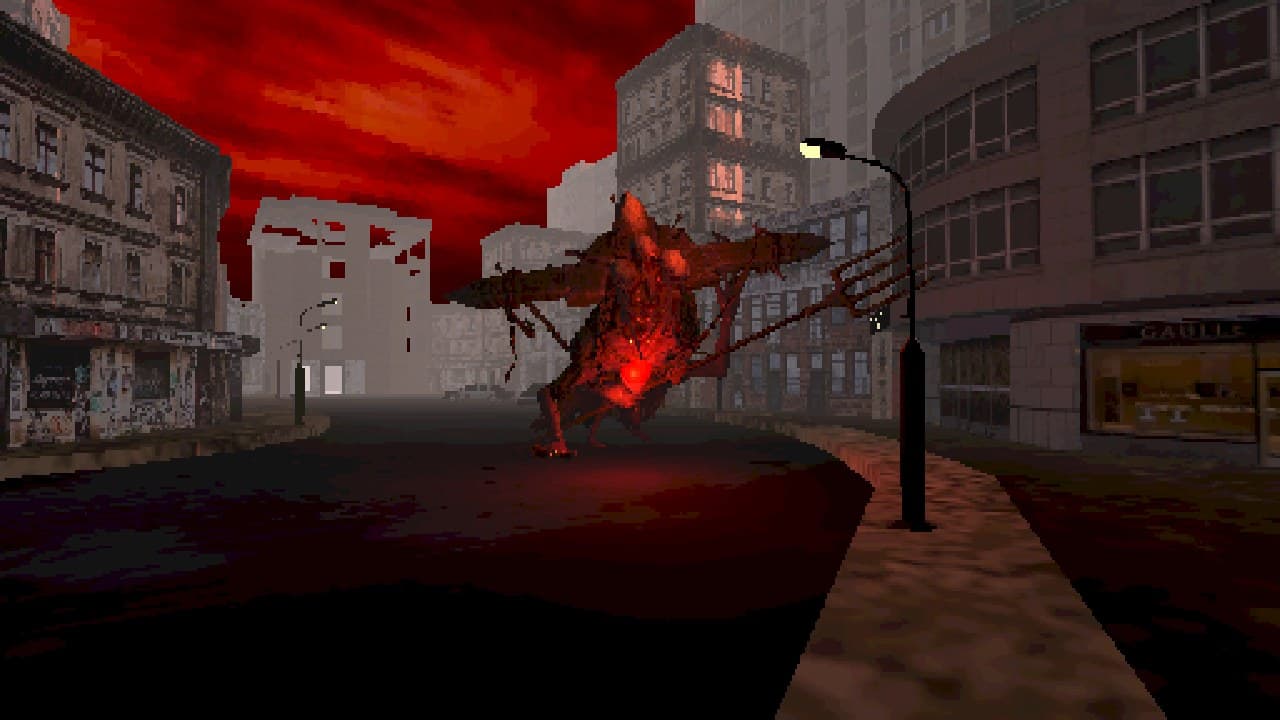
HELLSCAPE is a first-person narrative horror game built in Unity, with a PS1 look and a story that judges the player on what they actually did.
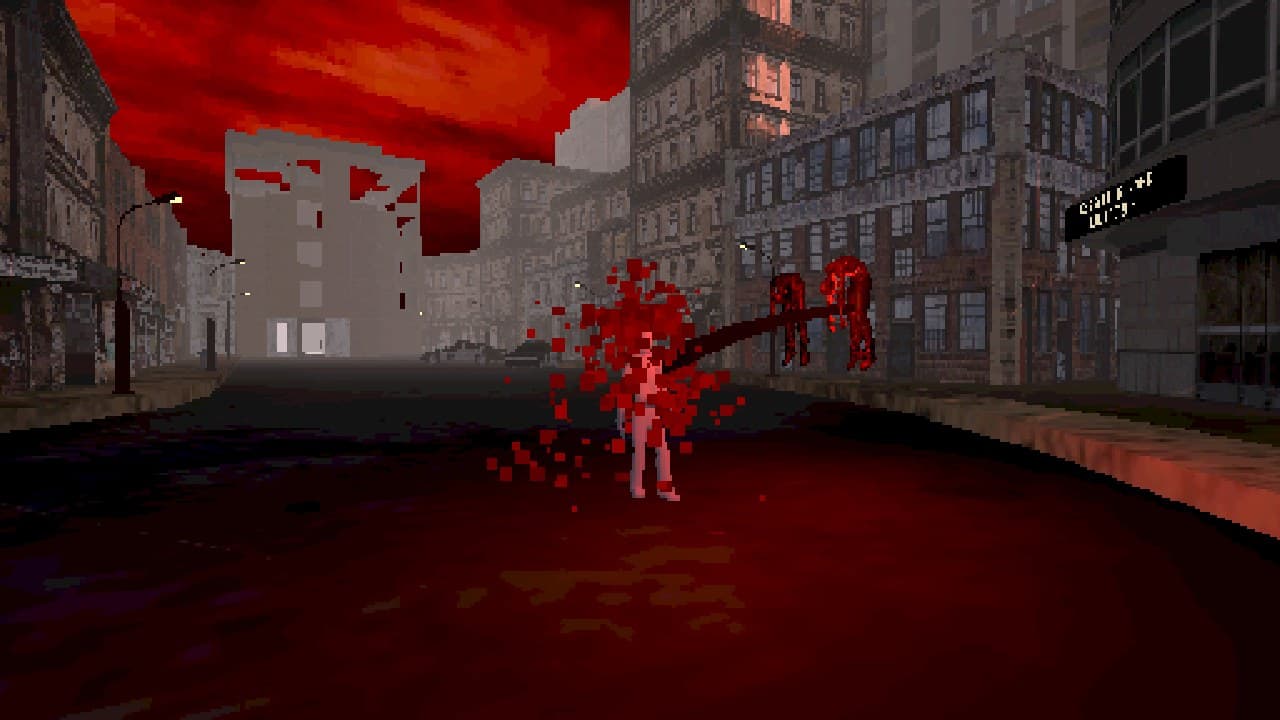
You are a night-shift delivery driver for Kessler & Vane Logistics. You walk home one morning and find your brother dead, chase his killer to the roof, and the fall wakes you in a red version of the city where the dead are sorted into the Lost and the Damned.
The game runs from a driving prologue through an office act of puzzles and interrogations, a chase through a silo complex, a rising flood, a van escape and a three-phase boss fight. Dialogue answers, mercy or violence, and who you rescue all feed a final verdict.
View source on GitHubMy role
- Game design, story structure and branching
- Gameplay programming in C#: on foot, in the van and in the boss fight
- Enemy AI with NavMesh navigation, sight and sound
- Dialogue, choice and judgement systems
- Editor tooling that builds each act into the scene
- Play-mode regression tests for the story branches
- Diegetic UI, cinematic cameras and cutscenes
- Python tools that generate sound effects and textures
The challenge
A branching story is easy to break. Every choice, checkpoint and interrupted cutscene is a way to skip a line, replay one, or leave the player holding state that should have been cleared. The game also spans very different kinds of play, walking, puzzles, chases, swimming, driving and a boss, and they all have to share one player, one UI and one set of story flags.
Implementation
01
Judgement
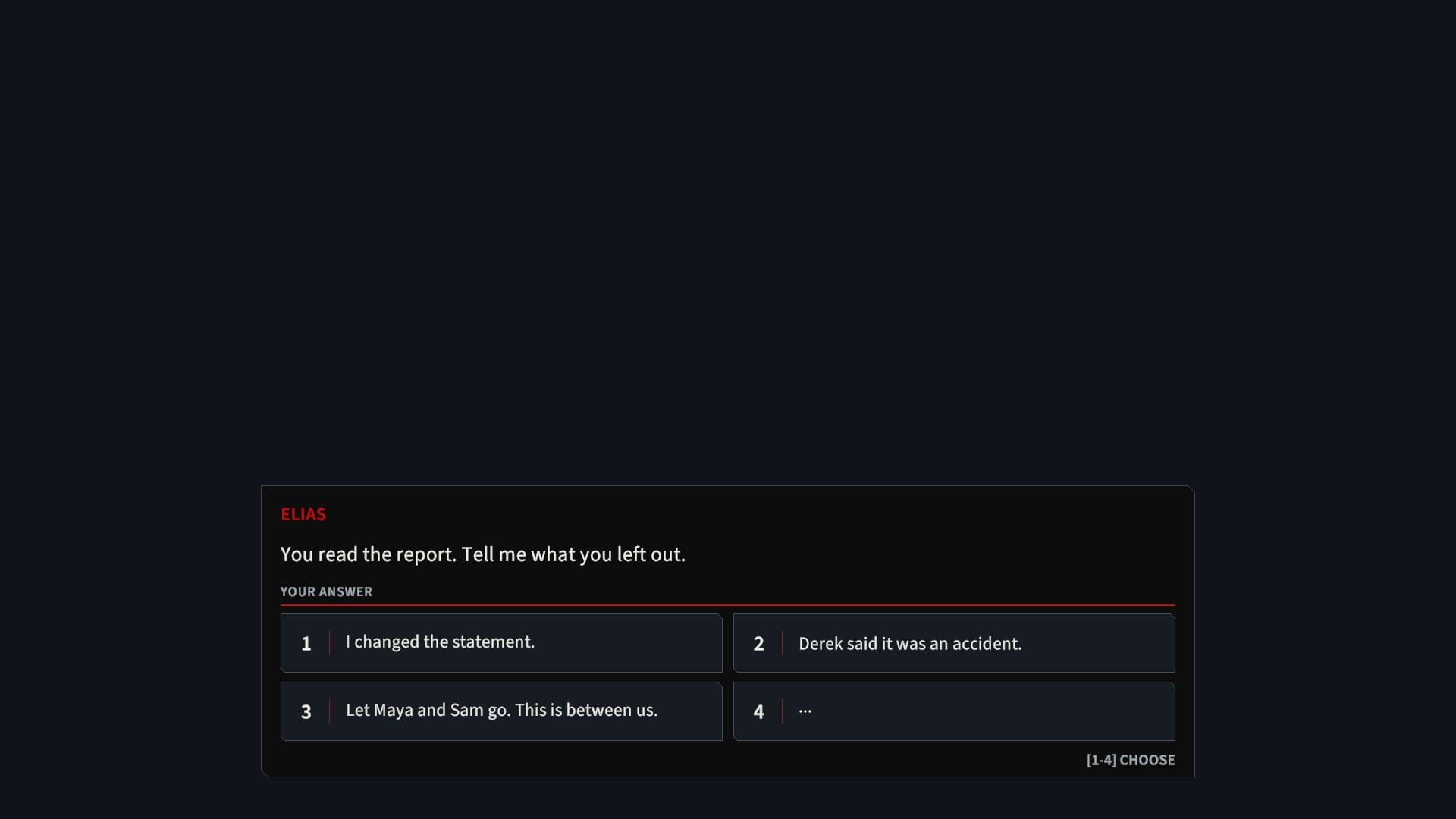
Conversation answers, the kill-or-spare choice and who you pull from the flood are recorded as flags. The verdict at the bridge is assembled from them, with a separate line for each person.
02
The Lost and the Damned
Enemies walk, crawl, feed or stand dormant. They hunt by sight and sound, scream before they charge, and the scream draws in the others nearby.
03
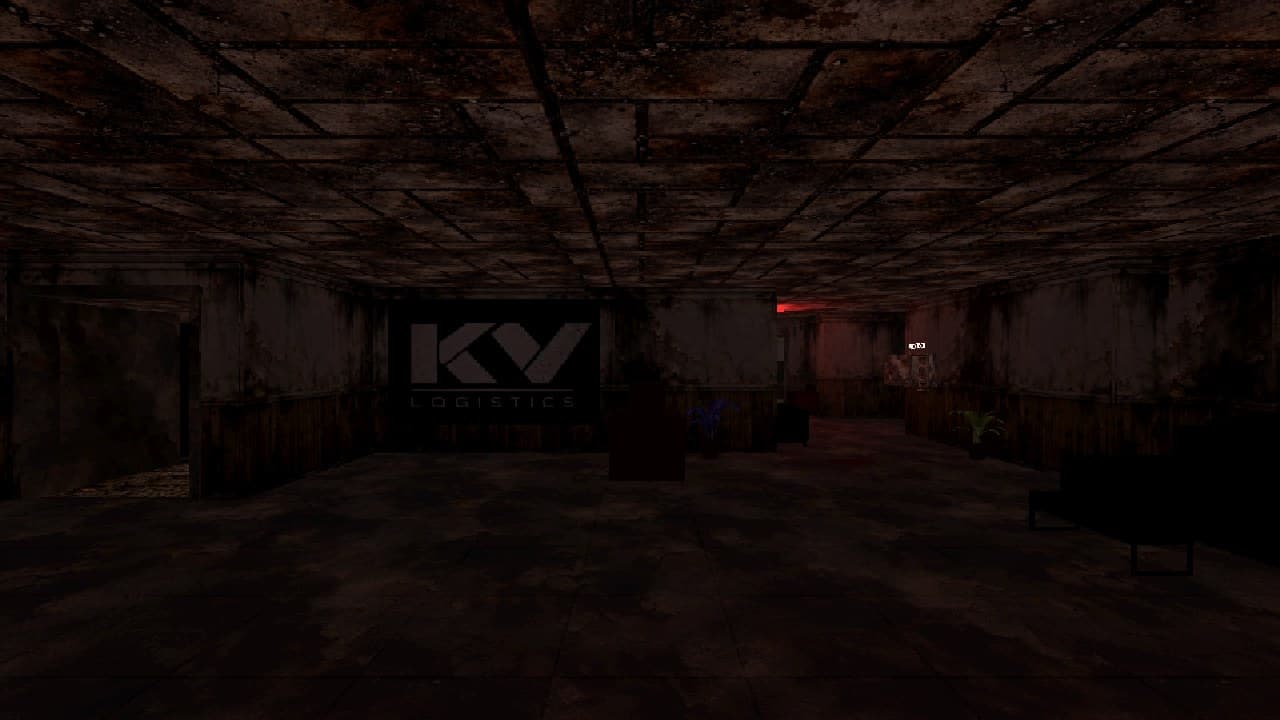
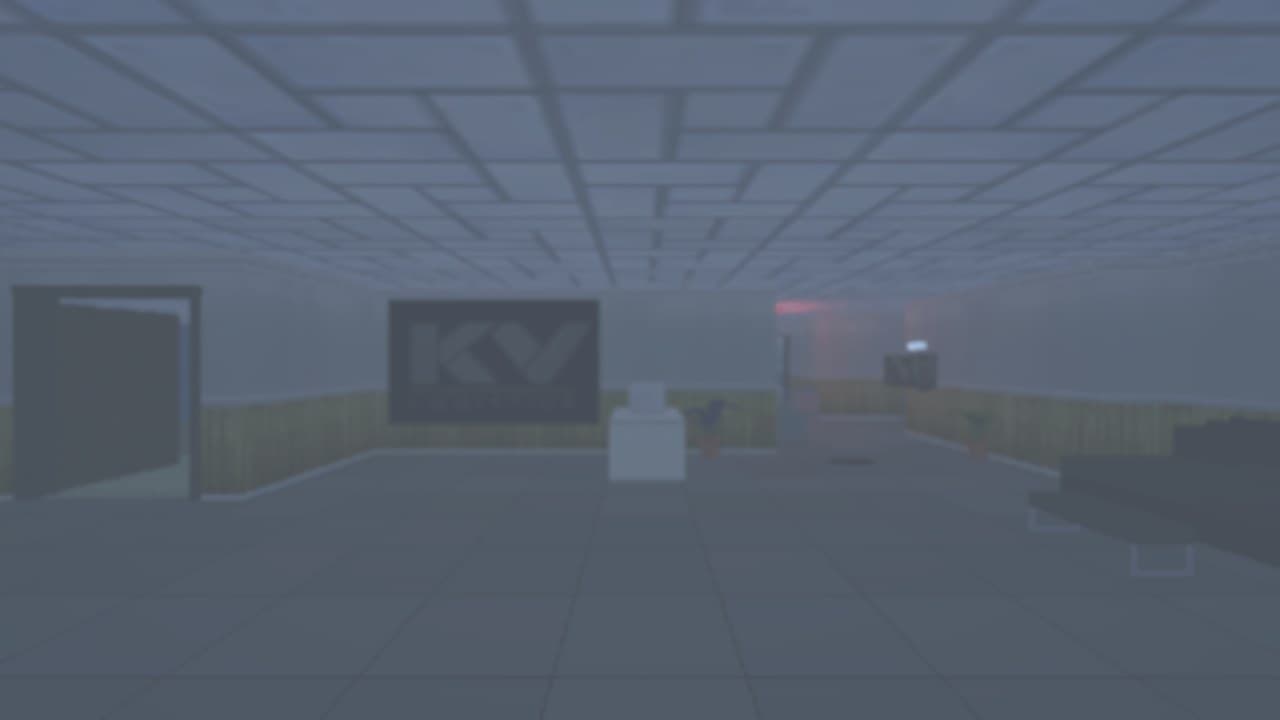
Two realms in one office
Pressing V closes a pair of eyelids, swaps the burnt office for a clean memory of it, and opens them again. Each visit lasts six seconds, and puzzles can only be solved in the memory.
04
Dialogue as data
647 lines live in a CSV and are loaded by id, so the script can be rewritten without touching the scene or the code that triggers it.
05
Diegetic UI
No health numbers. A beating anatomical heart stands in for the player, and the van's paint dents, scorches and starts to smoke as it takes damage.
06
Cinematic cameras
The van escape cuts between fixed film set-ups along the road, in the manner of PS2-era survival horror, and hands back to a chase camera in the tunnel and the boss arena.
07
Three-phase boss
Blood orbs, slams and charges. An exposed heart takes triple damage, a dodged charge leaves him stunned, and if the van is lost the fight continues on foot.
08
Generated assets
Python scripts synthesise the sound effects and paint the van's damage stages, so those assets can be regenerated instead of edited by hand.
Design process
- Each act is assembled by an editor script instead of by hand. Re-running a builder deletes the previous version of the act and builds it fresh, which keeps a large scene reproducible.
- The van camera went through three designs: a top-down view, a set of fixed spots along the road, and the cinematic set-ups the game uses now. The earlier two are still in the code, switched off.
- The story was rewritten after the systems existed. An audit mapped the new script onto what was already built, and the rewrite replaced text through those systems instead of adding a second narrative framework beside them.
- Changes to the story are checked by play-mode tests that run against disposable scene state and never save the scene.
Gallery
Placeholder
Gameplay trailer
Placeholder
High-resolution capture: van escape
Placeholder
High-resolution capture: office puzzles
Technical challenges
Dialogue that survives interruption
Pending lines are deduplicated, urgent interruptions get their own generation so an old speech finishing cannot corrupt the new one, and a checkpoint respawn cancels queued replies, choices and puzzles.
Swapping a realm without breaking it
Entering the memory swaps materials and post-processing over the same geometry. Leaving restores the exact material slots captured at startup, and a door can never close on the player mid-transition.
State across death
Story state lives in memory and survives checkpoints because a respawn does not reload the scene. There is no save to disk yet, so quitting loses the run.
Results
- In development. The current build ends on TO BE CONTINUED.
- The full project, including design documents and test tooling, is public on GitHub.
What I learned
To be supplied
Two or three things this project taught you, in your own words.
Next project
AimMetafy