02VR Therapy & Cognitive Experiences
AimMetafy
- Role
- VR Environment Designer & Developer
- Year
- 2024 - Present
- Platform
- Meta Quest 2 / 3
- Tools and technologies
- UnityC#Meta Quest 2/3XR Interaction ToolkitOpenXR
Overview
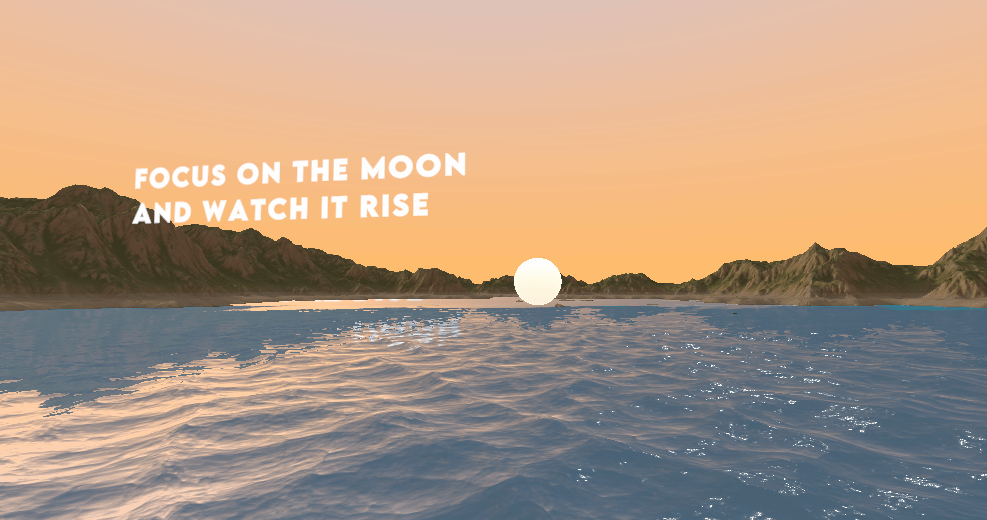
AimMetafy is a virtual reality application built for cognitive engagement, therapeutic experiences and caregiver training. It runs standalone on Meta Quest 2 and Quest 3.
The application is a collection of distinct environments, each designed around a different kind of activity: looking, listening, playing, shopping and talking. My work covers both the design of those spaces and the engineering that makes them interactive.
Walkthrough
My role
- Designing and building the VR environments in Unity
- Programming interactions in C# with the XR Interaction Toolkit and OpenXR
- Integrating BrainLink EEG input and gaze tracking
- Optimizing every scene for standalone Quest hardware
The challenge
Therapeutic and training content has to work for people who may never have worn a headset. Every environment needs interactions that read at a glance, and all of it has to run within the limits of a standalone device.
Implementation
01
Interactive virtual museum
A gallery space built for looking, moving and interacting with exhibits.
02
Music studio
A studio environment with playable virtual instruments.
03
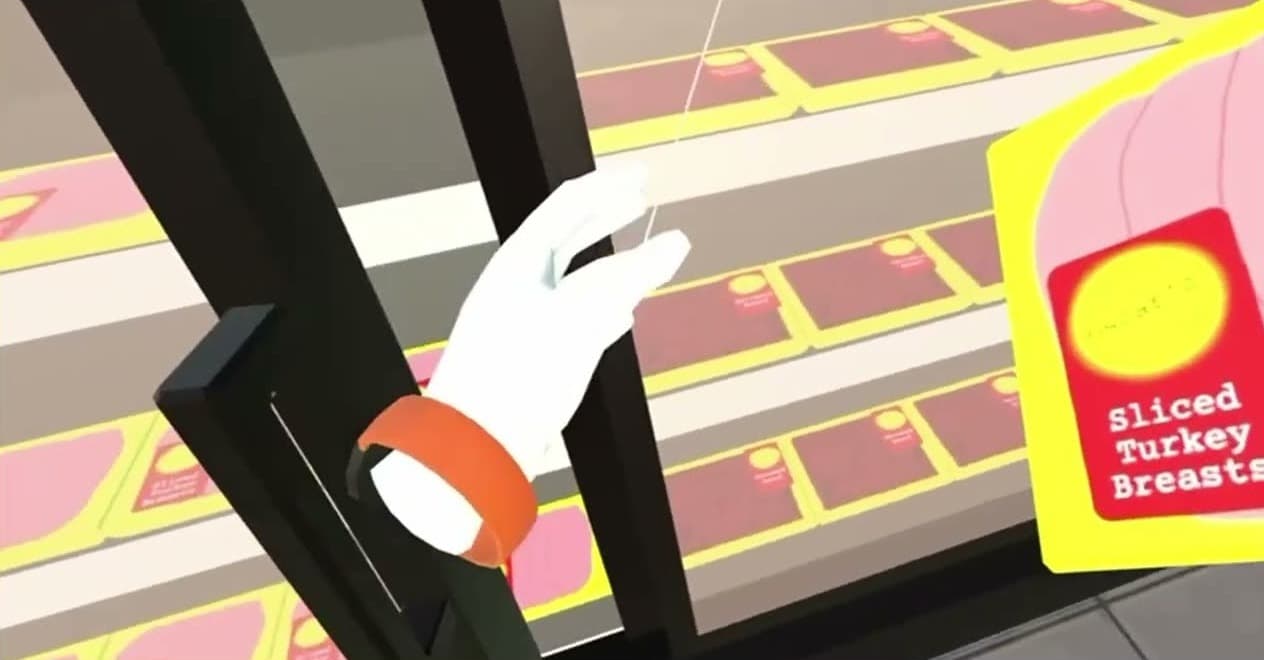
Supermarket simulation
An everyday scenario with interactive shopping and a working payment flow.
04
Archery and table tennis
Physical, skill-based activities driven by controller interaction.
05
Consultation environments
Quieter spaces designed for conversation and guided sessions.
06
EEG and gaze tracking
BrainLink EEG integration and gaze tracking connected to the experience as additional inputs.
Design process
To be supplied
How the design developed: references, sketches, greyboxing, iterations and what changed along the way. Process images and diagrams fit here.
Gallery
Placeholder
Quest capture: music studio
Placeholder
Quest capture: archery or table tennis
Placeholder
Quest capture: consultation environment
Placeholder
Architecture diagram: EEG and gaze tracking
Technical challenges
Standalone performance
Every environment has to hold up on Quest 2 and Quest 3 hardware, with no PC behind the headset.
Unconventional input
BrainLink EEG and gaze tracking sit alongside controller interaction, so three very different input sources have to coexist in one application.
Results
To be supplied
Outcomes and key achievements: release status, user testing, feedback, anything measured. Left empty on purpose so nothing here is invented.
What I learned
To be supplied
Two or three things this project taught you, in your own words.
Next project
MAXIM VR